5 Signs Your Chimney Needs Repair After Winter in Highland, NY
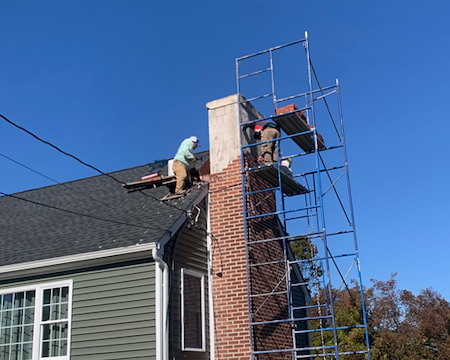
Hudson Valley winters are tough on brick and mortar. When the snow melts and winds off the Hudson ease, many Highland homeowners discover damage that affects safety and draft. If you spot any of the signs below after a long heating season, schedule professional chimney repair so problems don’t grow with spring rains.
The Winter Reality in Highland and the Hudson Valley
From January thaws to late‑season freezes, our area sees constant freeze‑thaw cycles. Moisture seeps into tiny masonry pores, freezes, and expands. The result is cracking, flaking, and leaks that often show up in March and April. Older homes near Vineyard Avenue, along Route 9W, and by the Mid‑Hudson Bridge face these stresses every year, as do houses across the river in Poughkeepsie and nearby New Paltz.
See why neighbors trust All County Maintenance for chimney repair in Highland, NY and surrounding Ulster County communities.
Sign 1: Cracked or Spalling Bricks and Deteriorating Mortar
Look for bricks that are flaking on the surface or popping off in small chunks, and mortar joints that seem sandy or missing. This is spalling and mortar decay, usually triggered by freeze‑thaw and winter moisture. Left alone, it allows more water in and spreads damage deeper into the stack, which can weaken the structure and reduce draft.
Do not ignore visible masonry damage. Even small cracks often signal larger movement and moisture inside the chimney.
Sign 2: White Staining, Rust Marks, or Dark Streaks
White, powdery deposits on the exterior are efflorescence. They point to water traveling through the masonry and depositing salts on the surface. Rust on the cap, chase cover, or flashing also hints at water entry. These are red flags after winter because repeated storms may have loosened metal components or opened hairline cracks in the crown.
Moisture is the #1 enemy of a masonry chimney. Stains usually mean water is already moving where it shouldn’t.
Sign 3: Water Stains, Peeling Paint, or Musty Odors Indoors
Rings on ceilings near the chimney, peeling paint on walls, or a damp, musty smell around the fireplace often show up as snowmelt and spring rains begin. The usual culprits are failing flashing, cracked crowns, or gaps where the chimney meets the roof. Unchecked, leaks can travel, damaging framing, insulation, and finishes.
When interior signs appear, a technician may recommend targeted masonry repair to seal the envelope and stop hidden water paths early.
Sign 4: A Damaged Crown or Missing/Loose Chimney Cap
Heavy snow, ice, and wind can fracture concrete crowns or loosen caps. A crown with spider‑web cracks or a cap that sits crooked can let water, snow, leaves, and animals inside, which accelerates liner and brick damage and can block the flue. Rebuilding the crown and installing the right cap keeps water out and improves draft consistency.
If your cap looks worn or out of place, ask about modern chimney caps that shed water and keep wildlife out.
Sign 5: Smoke Backing Up, Strong Odors, or Shards in the Firebox
After a cold season, you might notice smoke rolling into the room when starting a fire, a sharp creosote odor on damp days, or small ceramic flakes in the firebox. These can signal liner damage, blockages, or a draft issue aggravated by winter storms. Continuing to use a system with these symptoms increases fire and carbon monoxide risks.
Never use a chimney that shows signs of liner failure or persistent smoke spillage. A qualified sweep should evaluate the system before the next burn.
- Spalling and cracked mortar often point to ongoing freeze‑thaw stress and water intrusion.
- Staining inside or out means moisture is moving through the system, not just sitting on the surface.
- Damaged crowns, missing caps, and poor draft usually travel together and worsen with each storm.
What a Pro Looks For During a Spring Evaluation
A thorough spring assessment goes beyond a quick glance. Your technician will look for patterns that reveal how winter affected the entire system and where water or movement started.
- Exterior masonry: spalling, step‑cracks, bulging, and missing mortar that suggest movement or saturation
- Crown and cap: fractures, improper slope, rust, and fit that can channel water inside the flue
- Flashing: lifted edges, failed sealant, and gaps at roof transitions that allow leaks
- Liner condition: tile shards, gaps at joints, or corrosion that can impact safety and draft
- Fireplace, stove, or furnace connections: signs of backpuffing, staining, or past leaks
The goal is simple: restore a dry, stable, and properly venting chimney before summer storms and next heating season.
Repair Options For Masonry Chimneys in Highland
Depending on what winter left behind, repairs may include tuckpointing deteriorated mortar, replacing damaged bricks, rebuilding sections of the stack, repairing or replacing flashing, rebuilding the crown, relining, and installing a properly sized cap. Every home is different. Recommendations vary by age of construction, exposure to river winds, and how the system is used during peak season.
If you’re seeing any of the five signs above, it’s smart to schedule a detailed inspection and plan for chimney repair while the weather is stable. Targeted spring work prevents repeated damage in the fall and winter.
Why Timing Matters In Highland, NY
Early action saves time and stress. In March and April, the ground is usually clear of snow, access improves, and materials cure more predictably. Waiting until the first cold snap in October can mean longer lead times and further damage from months of rain and summer storms.
Homes on hillsides and along open stretches facing the Hudson often face stronger winds and driving rain. A repaired crown, tight flashing, and sound masonry give you a head start on next winter.
Feel Confident Before Next Heating Season
When your chimney is dry, tight, and drafting well, fires start cleaner, your home smells fresher, and you avoid surprise leaks during summer downpours. That peace of mind is worth acting on right after winter, while warning signs are fresh and conditions are ideal.
Whether you’re near the Walkway Over the Hudson or tucked back by New Paltz Road, the team at All County Maintenance can help you prioritize the right fixes. If your chimney shows cracking, staining, or draft issues, talk with us about the best plan to restore safety and performance.
Ready To Protect Your Home?
Call All County Maintenance at 845-768-0686 to set up a comprehensive evaluation. Our technicians will explain what winter did to your system and outline a clear path to repairs. To get started, request an inspection and expert chimney repair today.
Maximize Your Fireplace's Efficiency With Our Chimney Sweeping Services In Highland & Surrounding Areas