How Cold Weather Affects Your Chimney and Fireplace System: Chimney Freeze Thaw Damage in Highland, NY
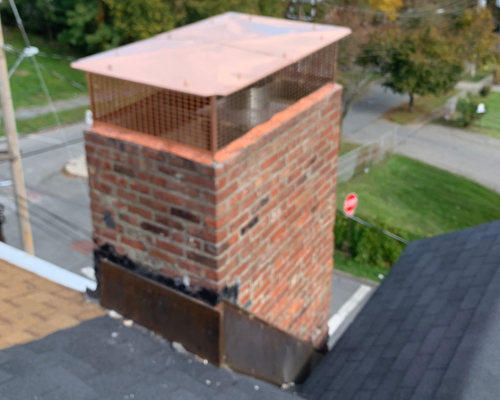
When temperatures swing below freezing and back again, your chimney takes a beating. That cycle leads to chimney freeze thaw damage in Highland, NY, which weakens masonry, crowns, and liners while hurting efficiency and safety. If your fireplace is part of your winter comfort, make sure it is winter-ready with professional chimney sweeping services before the next cold snap.
Want a quick primer on chimney freeze thaw damage in Highland, NY? Keep reading to understand what cold weather really does to your system and how All County Maintenance helps you stay safe and warm all season.
How Freeze Thaw Cycles Damage Your Chimney
Think of Highland’s winter like a pothole factory for brick and mortar. Water soaks into porous masonry, freezes, expands, then thaws. Each round nudges tiny cracks a little wider. By February, those hairline cracks can turn into flaky bricks, missing mortar, and leaks.
Inside the chimney, damage compounds. A cracked crown lets more water in. Moisture can corrode metal parts and stress clay liners. Draft gets worse, fires burn dirtier, and soot builds faster. That is why a clean, tightly sealed system matters when the wind whips down the Hudson.
- Masonry bricks and mortar joints absorb moisture and can spall when faces pop or flake off.
- Chimney crowns crack, inviting water into the structure below.
- Flashing gaps allow meltwater to slip under shingles and stain ceilings.
- Clay or metal liners can crack or corrode, disrupting proper venting.
Clear Signs of Winter Chimney Problems
Cold weather issues often show up where you can see them. Catching these early helps prevent bigger repairs later.
- White staining on brick (efflorescence) that keeps coming back after snow or rain
- Loose, crumbling, or “flaking” brick faces around the stack
- Hairline cracks or visible splits across the crown
- Rust on the damper, smoke stains, or water marks near the firebox
- Pieces of clay tile in the firebox after a burn
If you notice any of these, do not wait for a deep freeze to pass. Cold amplifies small problems. A professional evaluation protects your home and keeps your fireplace dependable when you need it most.
Why Winter Damage Hurts Safety and Efficiency
Cracked liners and blocked flues can push smoke and gases back into living spaces. A dirty, damaged system burns cooler, creates more creosote, and increases fire risk. That is why schedule an annual chimney inspection with a certified pro is more than a reminder. It is a core safety habit for every household that burns wood or uses a fuel venting system.
Want more seasonal context? See this related post on preparing before the cold sets in: why Highland homeowners should clean their chimneys before winter. It explains how early maintenance helps avoid mid-season surprises.
Highland, NY Weather Patterns and Your Fireplace
Our corner of Ulster County gets lake-effect bursts, nor’easter moisture, and quick thaws. Neighborhoods near open fields or the Hudson River feel stronger wind and drifting snow. Wind-driven moisture forces water into tiny masonry pores and under flashing even when it is not pouring rain.
In places like New Paltz, Poughkeepsie, and the Town of Lloyd, daytime thaws followed by hard freezes are common from January through March. That back-and-forth is tough on crowns, sills, and any weak mortar joints. If your chimney sits higher than nearby rooflines, it can collect more wind-blown snow and ice, accelerating wear.
Professional Maintenance That Prevents Cold-Weather Damage
Winter is the wrong time to find out your flue leaks or your crown is failing. A seasonal plan keeps you ahead of the weather and avoids last-minute scheduling during the first cold snap.
Start with a full sweep and evaluation. A thorough cleaning and inspection clears soot, confirms draft, and highlights small cracks before they widen. If your technician finds masonry issues, timely repairs like repointing and crown restoration help stop water entry. Learn more about structural fixes by exploring chimney repair options for stressed mortar, crowns, and liners.
To keep your system reliable, book your professional chimney sweeping on a regular cadence tied to how often you burn. Frequent wood burning in late fall and winter creates more deposits, so mid-season checks may be recommended after severe storms.
Practical, Local Timing Tips for Winter Care
Many Highland homeowners light their first fire around the first frosty nights. That rush can overload appointment calendars. It is smarter to plan service before deep cold arrives or during a mild spell when access is safer and masonry repairs cure better.
If your home sits on a ridge or takes the brunt of river wind, ask your technician about added moisture defenses. Breathable water repellents for masonry, proper cap sizing, and sound flashing details keep meltwater out. Crown repairs should be done in good weather so materials set properly for long-term protection.
Above all, watch for persistent white staining and damp smells. They often point to ongoing water entry that will worsen with repeated freezes.
What Each Part Endures in a Hudson Valley Winter
Every component has a job. When cold weather stresses a weak spot, the whole system suffers. Here is how parts typically get stressed and why they matter.
- Crown: hairline cracks spread with every freeze thaw, sending water down into the stack.
- Brick and mortar: porous surfaces soak and shed water repeatedly, leading to spalling and gaps.
- Liner: heat shock and moisture can crack clay tiles or corrode metal, disrupting draft and safety.
- Flashing: movement from wind and temperature shifts opens seams that leak into roof structures.
- Cap: an undersized or damaged cap lets rain, snow, and wildlife into the flue.
Align maintenance with how you use your hearth. If you burn nightly in January, build an inspection schedule that matches that load. If you use a stove on weekends only, you still need annual service to check for weather damage and creosote spikes after cold snaps.
Your Best Next Step in Highland, NY
Cold weather will not wait, and masonry does not heal itself. Get ahead of the next thaw by booking a visit with All County Maintenance. Our team inspects, cleans, and pinpoints problems so your fires burn clean and your home stays safe.
When you are ready, schedule expert care through our chimney sweeping page, or call us at 845-768-0686. If we find issues during service, we will explain options clearly and prioritize fixes that protect your chimney through the heart of winter.
Never ignore a loose or leaning chimney, recurring leaks, or a crown fissure that keeps widening. Those are structural red flags that deserve prompt attention from a professional.
Stay Warm and Safe With a Trusted Local Team
From Vineyard Avenue to Illinois Mountain and the hamlets around the Town of Lloyd, our winters test every chimney. Partner with All County Maintenance for reliable care, clear communication, and a safer, more efficient fireplace system. Book service now on our chimney sweeping page and enjoy peace of mind for the rest of the season.
Book before the first hard freeze to avoid schedule crunches and let materials cure properly if repairs are needed. Call now for chimney sweeping services in Highland.
Maximize Your Fireplace's Efficiency With Our Chimney Sweeping Services In Highland & Surrounding Areas