Is Your Chimney Safe? Mid-Winter Inspection Tips for Highland, NY Homes
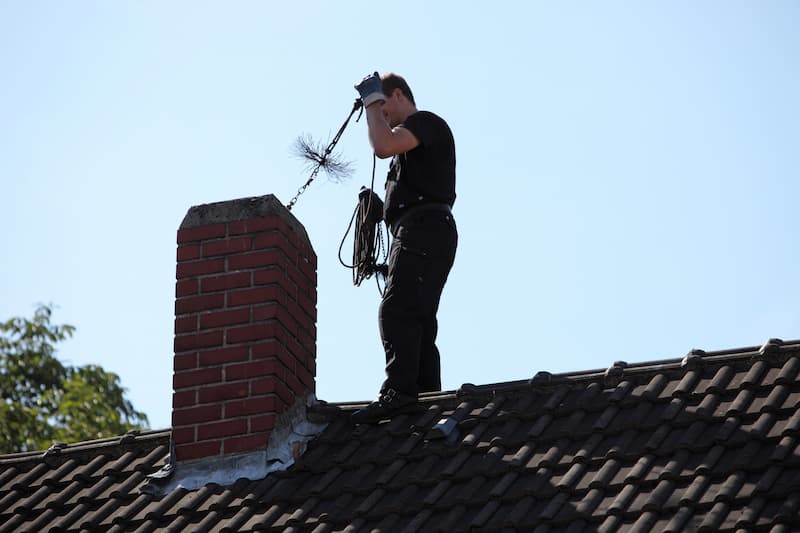
February is peak fireplace season in the Hudson Valley, which makes this the perfect time to schedule a thorough chimney inspection in Highland, NY. When your fireplace is working hard night after night, conditions inside the flue can change quickly. A mid-season check helps a pro spot creosote spikes, hidden blockages, draft problems, and even animal nests before they turn into hazards. If an inspection shows that your system needs cleaning, booking prompt mid-season chimney sweeping keeps your home safer for the rest of winter.
Why Mid-Winter Chimney Inspection Matters In Highland, NY
Cold snaps along the Hudson can be intense. Nights near the Mid-Hudson Bridge, Town of Lloyd, and across to Poughkeepsie often bring frigid air and gusty winds that test every part of a chimney system. As you burn more wood to stay warm, byproducts build up faster. Draft can weaken on still, icy mornings. Moisture from storms can reach the flue. A professional, mid-season look ensures your chimney still vents cleanly while you’re actively using it.
Creosote Buildup: What It Is And Why It Spikes Mid-Season
Creosote is a sticky, highly flammable residue from wood smoke. It forms in layers inside a cooler chimney, especially when fires are damped down for a slow burn. After weeks of steady use, those layers can thicken from powdery soot to hard, glassy glaze.
- What accelerates buildup: frequent evening fires, cooler flue temperatures, and restricted airflow.
- Why it’s risky: heavy creosote can ignite and damage the liner or spread fire to nearby materials.
During a mid-winter inspection, a technician checks the flue walls and smoke shelf to confirm whether creosote is light, moderate, or heavy. If deposits are excessive, a same-visit or scheduled professional chimney sweeping is the safe next step.
Warning Signs Of Chimney Blockage You Should Never Ignore
Blockages are common in February because everything from ash clumps to twigs to fallen tiles can narrow the flue. Here are signs that mean it’s time to pause the fire and call a pro:
- Persistent smoke spillage at start-up or during a steady burn
- Sharp, tar-like odors near the fireplace or on upper floors
- Fine black dust around registers, mantels, or window sills
- Scratching sounds in the flue or debris falling into the firebox
Do not keep burning if you notice any of these symptoms. A trained inspector will verify that the damper opens fully, the liner is sound, and the path to the roof is clear. If a blockage is found, the pro will remove it safely and recheck draft before use.
Smoke Drafting Problems During Cold Snaps
On the coldest Hudson Valley nights, dense outdoor air can push back against rising smoke. Roofline eddies near river valleys and hilltops around Highland can make this worse. The result is a lazy or reversing draft.
Common clues include slow-to-start fires, smoke rolling into the room when you open the door, and a lingering campfire smell upstairs. A mid-winter inspection evaluates flue temperature, chimney height relative to the roof, and cap performance to confirm what’s causing the draft issue. Often the fix involves clearing buildup, resealing minor leaks at the crown or flashing, and confirming that the cap design is helping, not hurting, airflow. For more background on how a clean, open flue supports safe performance, see this quick overview on chimney sweeping basics.
Animal Nests And Mid-Winter Intruders
Starlings, squirrels, and raccoons look for warm, dry spots when the river winds pick up. An uncapped or damaged cap invites them in. Nesting materials clog the flue and can ignite. During a mid-season inspection, your technician checks the cap, screens, and crown, and looks for twigs, leaves, or fur that signal a recent visitor. If nesting is found, removal is handled safely before firing resumes. Pairing inspection with a well-fitted cap greatly reduces repeat problems; learn what a quality cap does for your system on our chimney caps page.
When Mid-Season Chimney Sweeping Is The Right Move
Many Highland homeowners sweep in the fall, then burn daily from December through February. By mid-winter, high use can push an otherwise clean system past safe limits. Your inspector may recommend a cleaning now if creosote is thick, smoke is sluggish, or animals have introduced debris. Scheduling a quick sweep in February protects the rest of your season and lowers the chance of a late-winter flue fire.
Mid-season sweeping is not a “bonus” service. It is a practical safety step when signs point to heavy buildup or restricted airflow. The goal is simple: restore a clear, stable draft so smoke goes up and out every time you light a fire.
How A Professional Chimney Inspection Works In Highland, NY
A thorough inspection looks at your system from firebox to sky. The technician examines the firebrick, damper, smoke shelf, flue liner, and termination at the crown and cap. They also check the exterior masonry for spalling and the flashing where the chimney meets the roof, which is important during freeze-thaw cycles along Route 9W.
Depending on the findings, the visit may include photography inside the flue, gentle brushing of light deposits for visibility, and documentation of any damage or safety concerns. If cleaning is needed, you’ll be advised to book professional chimney sweeping to bring the system back into peak condition.
Creosote, Blockages, And Draft: How They Connect
Creosote narrows the flue. A narrow flue slows draft. Slow draft makes fires burn cooler, which creates even more creosote. A mid-winter inspection breaks that cycle by finding the bottleneck and restoring flow while the fireplace is still in regular use. That is how inspections help prevent chimney fires, not only before the season, but also during it.
Cold Weather, Moisture, And Your Chimney’s Top-End
Moisture is the enemy of masonry. Freeze-thaw cycles around Highland can turn small crown cracks into bigger leaks by March. Water trapped in bricks or the liner can cause odors, rust, or white staining. An inspector checks the crown slope, joint seals, and cap fit. If the cap is missing, undersized, or clogged, airflow and water control both suffer. Reading more about cap benefits can help you understand why pros often start fixes at the top.
Local Context: What We See Around Highland In February
Homes near the river or on exposed ridges face stronger gusts that can push smoke back at start-up. Older farmhouses and 19th-century masonry often have taller, colder stacks where creosote condenses faster. Meanwhile, busy weeknights mean longer, low-burn fires that cool the flue and increase residue. These patterns make mid-season checks especially valuable for households in Highland, New Paltz, and nearby Poughkeepsie neighborhoods.
Safety Reminders While You’re Actively Burning
These are awareness reminders, not do-it-yourself directions. Keep them in mind as you enjoy the fireplace:
- Never ignore a persistent smoke smell in upstairs rooms. It can point to draft trouble or leaks that deserve a professional look.
- Watch for black, shiny flakes in the firebox between cleanings, which can signal heavy creosote above.
- Listen for chirps, scratching, or thumps from the flue, especially after a storm.
- If flames look lazy and orange with good fuel, airflow may be restricted and needs inspection.
For seasonal timing guidance beyond February, the article on the best time of year to sweep in Upstate New York explains why demand and weather both matter.
Why Choose All County Maintenance For Mid-Winter Inspections
Local knowledge counts. Our team understands how Highland’s river winds, steep roofs, and mixed-age housing stock affect chimney performance. We show up ready to assess creosote levels, confirm clear venting, and check the cap, crown, and flashing so problems don’t linger into spring. When you want a fast, thorough visit without guesswork, call 845-768-0686.
If you are comparing options for service, know that “chimney sweep Highland NY,” “chimney cleaning Highland New York,” and “chimney service Highland NY” all point to the same goal: a clean, safe, properly drafting system. Start with a full inspection and follow the professional plan based on what we find.
Ready To Reduce Risk While Winter Is Still Here?
The safest fires are the ones vented through a clean, open chimney. If you have not had a recent check, use this week to schedule one. For a quick refresher on fundamentals, read our short guide to chimney sweeping: the basics. If the inspection shows you need cleaning, we’ll complete or schedule it right away so your fireplace stays part of the solution, not the problem. You can always find us by searching for chimney inspection Highland, NY.
Keep Your Family Warm And Safe
Mid-season inspections catch creosote, blockages, and draft issues at the exact moment they matter most. That is how homeowners prevent chimney fires while they are still actively burning in February. When you are ready, contact All County Maintenance to book your visit and keep winter on your terms.
Your next step: schedule your service with our local team today. Use our page for easy booking and clear next steps: schedule chimney sweeping with a pro. Or call us now at 845-768-0686 to get on the calendar before the next cold snap rolls in.
Maximize Your Fireplace's Efficiency With Our Chimney Sweeping Services In Highland & Surrounding Areas