Chimney Repair vs. Chimney Replacement: What’s Best for Your Highland Home?
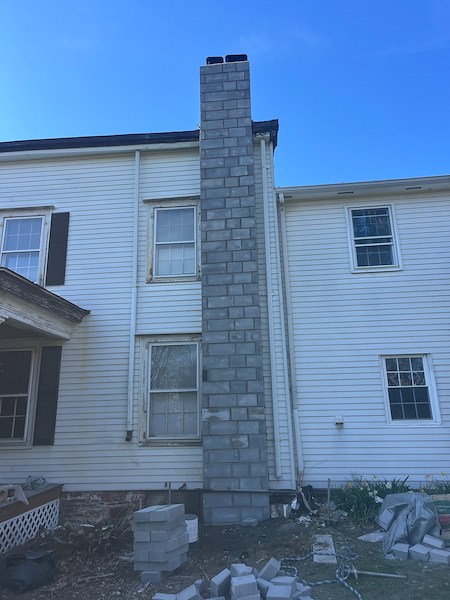
If you are weighing chimney repair vs. chimney replacement, you are not alone. Many Highland homeowners see new cracks or leaks after a long Hudson Valley winter and wonder which path is smarter. The right choice protects your family, preserves your roof and walls, and helps your system draft well when cold wind sweeps down the river. If you want a fast expert opinion, schedule professional chimney repair with a trusted local team that knows Highland’s weather and housing stock.
Here’s a clear, homeowner-friendly guide to help you decide when to repair and when to rebuild. We’ll use real local context, from freeze-thaw cycles to older brickwork in neighborhoods off Route 9W, Vineyard Avenue, and across the river near Poughkeepsie.
When Chimney Repair in Highland, NY Makes Sense
Repairs are ideal when damage is limited and the chimney’s structure is still sound. Masonry and metal components can often be restored before problems spread.
- Cracked or deteriorating mortar joints that have not spread through large wall sections
- Localized brick spalling from winter freeze-thaw that’s confined to a small area
- Leaky or lifted flashing where the chimney meets the roof, with no major interior rot
- A worn crown that can be resurfaced or rebuilt without touching the stack
- Liner issues that can be addressed with relining rather than tearing down masonry
Repairs target the weak links so you can keep using your fireplace or heating appliance with confidence. In many Highland homes, timely tuckpointing, spot brick replacement, crown repair, and a proper cap stop water from returning and save the rest of the stack.
Signs Your Chimney Is Past Simple Repair
Sometimes the safest and most cost-effective long-term choice is partial or full replacement. That can mean rebuilding from the roofline up or, in severe cases, from the foundation.
- Large areas of loose, bulging, or crumbling brick that keep returning after patch work
- A chimney that leans, separates from siding, or shows stepped cracking down the wall
- Widespread water damage inside the flue or a liner that has failed beyond relining
- Serious fire or smoke damage that compromised structure and draft
- Repeated leaks into ceilings and walls even after flashing or crown fixes
These conditions point to a stack that will fight you every season. Replacing the damaged sections restores stability, protects your roof system, and helps flues draft cleanly again.
Local insight: Highland’s quick freeze-thaw swings can turn hairline crown cracks into active leaks in a single week. Catching small issues in late winter or early spring prevents months of rain from pushing water deeper into the stack.
Safety first: If you see leaning, major cracks, or smoke pushing into rooms, stop using the system and book a professional evaluation.
Repair vs. Replacement: How Pros Decide
A thorough inspection should come first. A CSIA-style evaluation checks masonry, crown and cap, flashing, firebox connections, and liner condition. The goal is to confirm where water entered, how freeze-thaw affected bricks and joints, and whether the stack still bears loads safely.
Expect your technician to document:
- Exterior walls: spalling, step-cracks, missing joints, and any bulge or lean
- Crown and cap: cracks, poor slope, rust, or a cap that does not fit
- Flashing: lifted edges or gaps where the roof and chimney meet
- Liner: tile shards in the firebox, gaps at joints, or corrosion
When findings are concentrated, targeted repairs make sense. When structural issues are widespread, replacement prevents repeat failures and protects the roof and attic from hidden moisture.
Real-World Highland Scenarios
Older brick chimneys near the hamlet center or along open stretches that face the Hudson often see stronger wind-driven rain. Over time, moisture sneaks into mortar, freezes, and expands. Bricks start to flake, and mortar turns sandy. If the damage sits within a few square feet, skilled tuckpointing and spot brick replacement usually restore strength. If cracking runs across several courses or the stack bows, a rebuild from the roofline up may be the safer route.
Homes tucked near Milton or Marlboro sometimes add a stove or change appliances. That can reveal a liner that no longer matches the system. If a liner is cracked in isolated spots, relining is an effective fix. If you see widespread tile failure or ongoing smoke spillage, rebuilding sections and relining together may be recommended for reliable draft and safety.
Comparing Outcomes: What You Gain With Each Option
Well-timed repairs stop moisture early, protect surrounding framing, and keep more of your original masonry. They are less disruptive and help you prepare for peak burning season without a major construction window.
Thoughtful replacement corrects deep structural problems, resets the weather barrier, and often improves draft with modern materials and proper sizing. It also protects roof systems that suffer when flashing and masonry fail together.
The Role of Routine Care Between Big Decisions
Highland’s long heating season means soot and creosote build faster. After repairs or replacement, regular service helps you get the most from your system and spots early warning signs before winter. For a quick seasonal refresher on post-winter red flags, read our local guide on signs your chimney needs repair after winter.
Linking Your Choice to Long-Term Home Goals
If you are planning exterior updates, roof work, or window replacements, align your chimney project with those timelines. Coordinating flashing work with a roofing job reduces exposures and helps ensure a smooth water barrier. If you are restoring a historic façade, ask your technician about matching brick and mortar profiles so your chimney looks right from the street and performs well when storms roll through the Hudson Valley.
When To Talk About Chimney Replacement
Not every failing stack needs a total teardown, but do not ignore major red flags. If your evaluation shows a lean, widespread mortar failure, or a liner system that cannot be made safe with relining, ask about phased rebuilding. Starting at the roofline and working down can make sense for some Highland homes, especially if interior portions test sound. Learn more about what a full or partial rebuild involves by reviewing our service overview for chimney replacement.
Your Next Step: A Local, Structured Evaluation
Start with a thorough inspection from a local pro who sees Highland’s unique conditions every week. You will get a clear, photo-backed plan outlining whether targeted repair or a roofline-up rebuild makes the most sense. If repairs are the call, the plan should prioritize masonry integrity, crown protection, flashing, and relining where needed.
When you are ready to move, schedule trusted chimney repair in Highland, NY with All County Maintenance. Choosing a nearby specialist means faster response before peak season and recommendations tailored to Ulster County weather and building styles.
Ready To Protect Your Home Before The Next Cold Snap?
A sturdy, dry, and well-drafting chimney helps fires start cleaner, keeps rooms fresher, and shields your roof system from hidden moisture. If you are seeing cracks, staining, or draft changes, plan an inspection and get ahead of fall. For a complete assessment and a clear action plan, schedule expert chimney repair with All County Maintenance today or call 845-768-0686 for prompt help.
Common Questions Homeowners Ask
In a wet spring or during summer storms, small cracks expand as water moves through the stack. Waiting often turns a simple tuckpointing job into a larger masonry project. Act as soon as you notice changes in brick faces, mortar joints, or odors.
If smoke backs up, if you smell strong creosote on damp days, or if you see tile pieces in the firebox, pause use until a technician reinspects the system. It is the safest choice for your family and home.
Highland and nearby towns see quick temperature swings in late fall and early spring. That cycle is tough on crowns and masonry. A quality cap, a sound crown, and tight flashing give your chimney a fighting chance.
Maximize Your Fireplace's Efficiency With Our Chimney Sweeping Services In Highland & Surrounding Areas